Pickup planning for refrigerators, washers, dryers, ranges, dishwashers, freezers and similar equipment after the appliance is safely disconnected and ready to move. The details below explain what affects the job, what to prepare and what to confirm before the crew starts loading.
How to plan the job without surprises
Identify the exact appliance
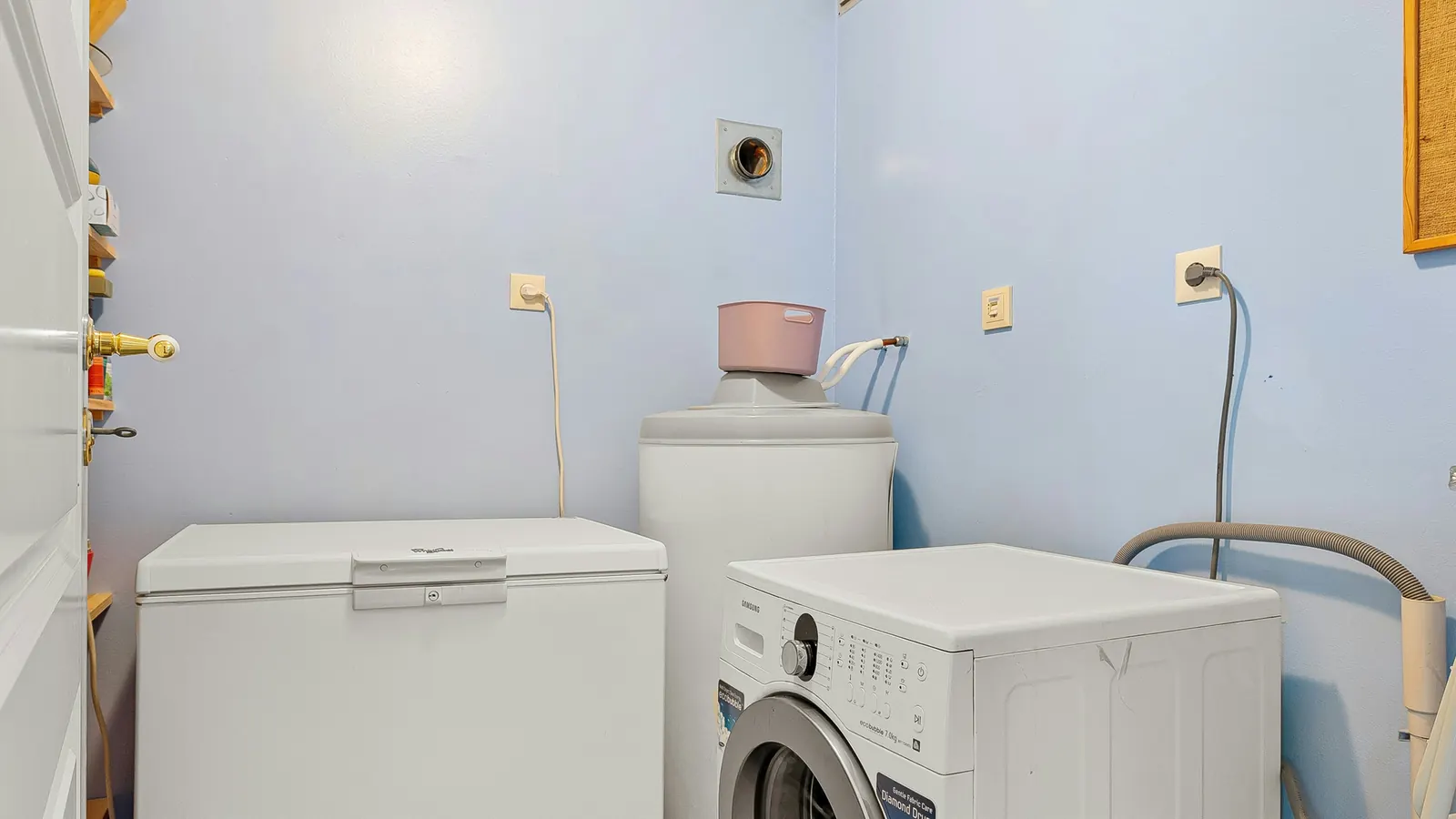
Send a full photo, model type and approximate size. Note built-in cabinetry, pedestals, stacking kits or doors that may need removal.
Disconnect utilities safely
Water, gas and hardwired electrical connections should be handled by a qualified person. A hauling crew should not be expected to perform licensed trade work.
Drain and empty the unit
Remove food, water, ice, lint and personal contents. Defrost freezers and secure doors or shelves before movement.
Clear the path
Measure narrow doorways and stair turns, protect flooring and identify any steps between the appliance and the truck.
What can be included in appliance removal
Common items are listed below. Include unusual, extra-heavy or regulated material in the quote request so it can be reviewed before scheduling.
Five ways to make the pickup smoother
- Disconnect and cap water or gas lines through an appropriate qualified person.
- Defrost refrigerators and freezers early enough to prevent water leakage.
- Remove food, ice, shelves and personal property.
- Photograph stairs, narrow halls and the appliance connections.
- State whether the unit is built in, stacked or located on a pedestal.
What changes the price and work plan
The final quote depends on the real load and the work required to move it. Confirm the complete scope and price before loading begins.
| Factor | Why it matters |
|---|---|
| Appliance type and weight | A microwave or dryer is materially different from a commercial refrigerator, double oven or large chest freezer. |
| Connections | Gas, water, hardwired electrical and built-in installations require safe disconnection before hauling. |
| Stairs and tight spaces | Second-floor laundry rooms and basement appliances may need additional labor or specialized equipment. |
| Refrigerant and recycling | Refrigerators, freezers and some cooling equipment must follow facility rules for refrigerant-containing appliances. |
| Bundled items | Multiple appliances or a mixed cleanout may be priced differently from a single curbside unit. |
Common appliance removal situations
Replacement day
Clear an old unit before or after a new appliance delivery when the retailer does not include haul-away.
Rental turnover
Remove abandoned or damaged appliances so maintenance and make-ready work can continue.
Property cleanout
Coordinate appliances with furniture and household contents rather than arranging separate trips.
Local details that affect this service
Tuscaloosa City guidance says appliances are collected separately from regular residential trash and may be recycled. Refrigerators must be empty and taped shut or have the doors removed for City collection. Private appliance pickup is useful when the unit is still inside, the property is not eligible for City trash service, or the schedule does not fit a turnover deadline.
Upper-floor apartments near the University area often require elevator coordination, while older homes in Druid City, Capitol Park and Northport may have narrow laundry doors or basement stairs. A photo of the path is as important as a photo of the appliance.
For e-waste and smaller electronics, the City publishes separate drop-off guidance. Do not mix batteries, chemicals or unknown refrigerants into a standard appliance request without disclosure.
Current reference links: City garbage and trash guidance. Check current municipal rules before relying on curb collection.
Responsible handling without false promises
Metal appliances may be routed for recycling where facilities accept them. Refrigerant-containing units need appropriate handling, and data-bearing smart appliances should be reset when practical. Donation is possible only for clean, working units accepted by a receiving organization.
Items and conditions outside a standard request
Call out unusual, hazardous or regulated material before scheduling so the crew can confirm what can be handled safely.
- Connected gas appliances that have not been professionally disconnected
- Built-in equipment requiring cabinet, plumbing or electrical demolition
- Units containing food, standing water or hazardous residue
- Industrial machinery without weight and rigging review
- Propane tanks, fuel containers and pressurized cylinders
Appliance Removal FAQs
Do you disconnect washers, dryers or refrigerators?
Hauling should begin only after water, gas and hardwired electrical connections are safely disconnected. Confirm whether the hauling team offers any limited unplugging service, but use qualified trades for gas, plumbing or hardwired work.
Can a refrigerator be removed with food inside?
No. Empty the refrigerator or freezer, remove loose contents, defrost it and manage any water before pickup.
Can appliances be removed from a basement?
Often, but the hauling team needs photos of stairs, landings, doorway widths and the appliance itself. Extra-heavy units may need special planning.
What happens to old appliances?
Metal and working appliances may be recycled or donated when accepted. Refrigerant-containing units must follow facility handling rules.
Does the City of Tuscaloosa pick up appliances?
The City lists appliances as a separately collected residential trash category for eligible customers. Private pickup may still be needed for interior removal, deadline work, multi-family properties or commercial sites.
Can I include small electronics with an appliance job?
List them separately. Some electronics and batteries follow different recycling or disposal rules, and the hauling team should review the mix before scheduling.