

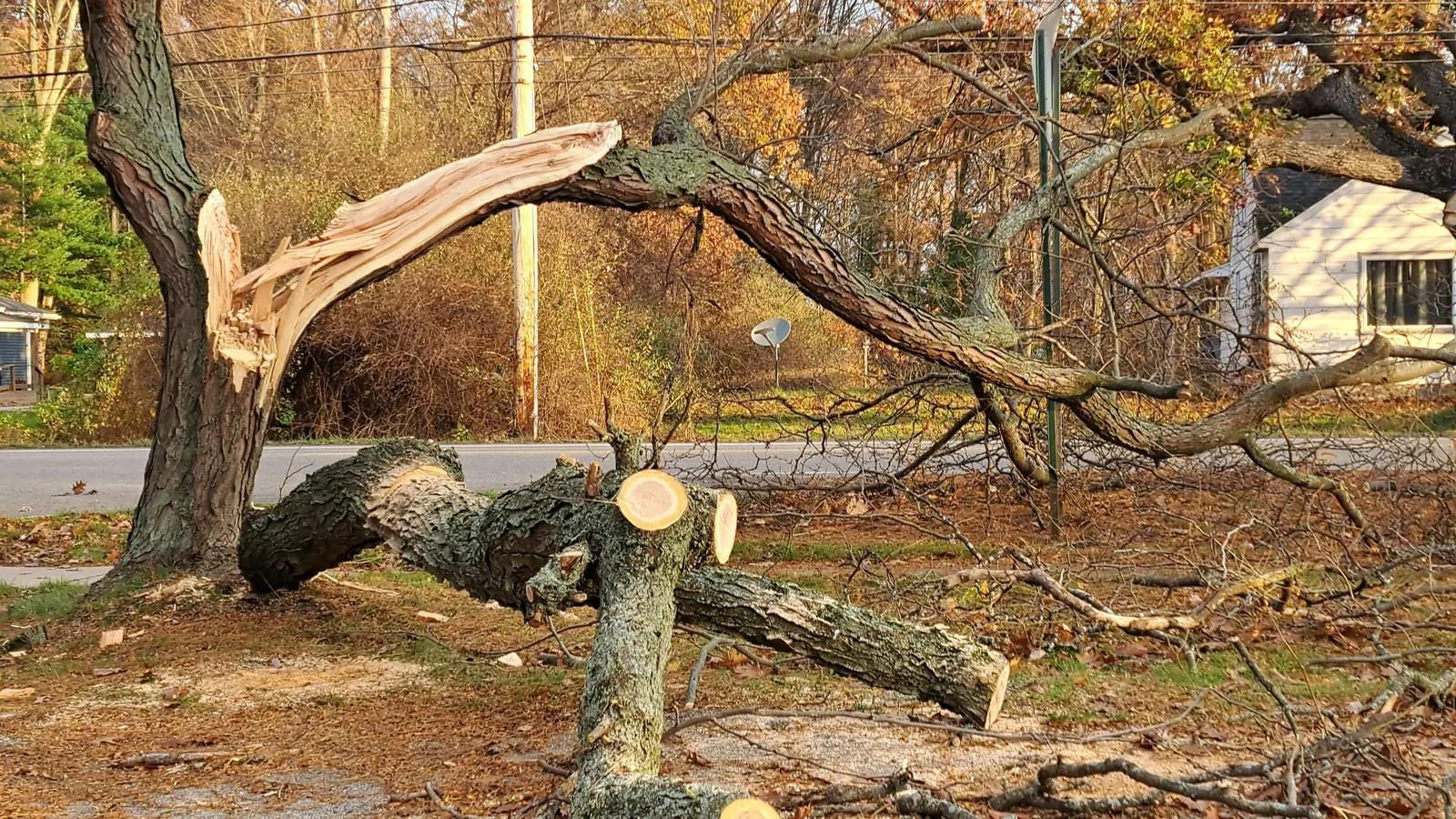
Post-storm hauling for branches, damaged outdoor contents and non-hazardous debris after emergency hazards, live utilities and unstable trees have been made safe. The details below explain what affects the job, what to prepare and what to confirm before the crew starts loading.
Common storm debris cleanup situations
After emergency tree work
Haul cut material left by a tree contractor when removal was not included in that contractor’s scope.
Wind and hail cleanup
Clear scattered outdoor items, broken fencing and bagged debris after the property is safe.
Insurance and repair preparation
Document and remove approved debris so roofers, fence contractors and restoration teams can access the site.
What can be included in storm debris cleanup
Common items are listed below. Include unusual, extra-heavy or regulated material in the quote request so it can be reviewed before scheduling.
What changes the price and work plan
The final quote depends on the real load and the work required to move it. Confirm the complete scope and price before loading begins.
| Factor | Why it matters |
|---|---|
| Safety status | Live wires, unstable trees, roof damage and flood contamination must be resolved before ordinary hauling. |
| Branch and log size | Large wood can exceed manual handling or truck limits even when the pile looks compact. |
| Mixed storm damage | Fencing, roofing, branches and household contents may need different disposal routes. |
| Access | Blocked streets, saturated ground, fallen trees and emergency traffic can delay service. |
| Demand surge | After widespread weather, local routes and disposal facilities may be heavily constrained. |
How to plan the job without surprises
Address immediate danger first
Call utilities, emergency services, roofers or arborists for live wires, structural damage, gas leaks and unstable trees.
Photograph before moving
Capture the debris and damaged areas for the property owner or insurer before cleanup begins.
Separate materials
Keep branches, construction debris, household contents and hazardous material in different piles.
Define the safe scope
Confirm what is already cut and on the ground. Standard hauling should not include climbing, active tree cutting or work on a damaged structure.
Local details that affect this service
Tuscaloosa’s severe-weather history makes storm preparation and cleanup especially important. The National Weather Service documents the April 27, 2011 Tuscaloosa-Birmingham tornado as an EF-4 event with an 80.68-mile path. That history should be referenced respectfully, without using it as sensational sales copy.
City rules require limbs to be cut under eight feet long and eight inches in diameter for municipal collection, and debris produced by a paid tree trimmer or contractor is the contractor’s responsibility. Private hauling can handle appropriate ground-level material when those rules or the schedule do not fit.
This service is for cleanup after hazards are controlled. It is not emergency response, tree removal from a structure, utility work, flood remediation or structural demolition.
Current reference links: City garbage and trash guidance · National Weather Service 2011 event summary. Check current municipal rules before relying on curb collection.
Five ways to make the pickup smoother
- Do not approach live wires or unstable trees.
- Take insurance photos before moving debris.
- Have dangerous limbs cut and placed safely on the ground.
- Separate chemicals, fuel, batteries and wet household material.
- Describe road access and any emergency restrictions.
Items and conditions outside a standard request
Call out unusual, hazardous or regulated material before scheduling so the crew can confirm what can be handled safely.
- Live power lines, gas leaks and active emergency hazards
- Trees or limbs resting on structures
- Climbing, tree cutting or crane work
- Floodwater, sewage, mold or biohazard cleanup
- Structural demolition and unstable buildings
Responsible handling without false promises
Clean woody debris may be routed separately from damaged household goods and construction material. Wet, contaminated or hazardous debris needs specialized review. Keep insurance documentation before disposal and ask the hauling team to define the final cleared area.
Storm Debris Cleanup FAQs
Do you remove trees from houses or power lines?
No. Emergency tree, utility and structural hazards must be handled by qualified professionals before hauling.
Can branches left by a tree company be removed?
Yes, potentially, if they are safely on the ground and within hauling team handling limits. The City states that paid-contractor debris is not collected through normal trash service.
Should I photograph storm damage first?
Yes. Document the property and debris before removal when insurance or repair claims may be involved.
Can roofing and branches go in one load?
List them separately. Mixed materials may have different weight, safety and disposal requirements.
How fast can cleanup happen after a storm?
Availability depends on safe access, route capacity and regional demand. Widespread events can create delays.
Do you handle flood or sewage debris?
Standard junk hauling does not cover contaminated floodwater, sewage, mold or biohazards. Use qualified remediation specialists.