

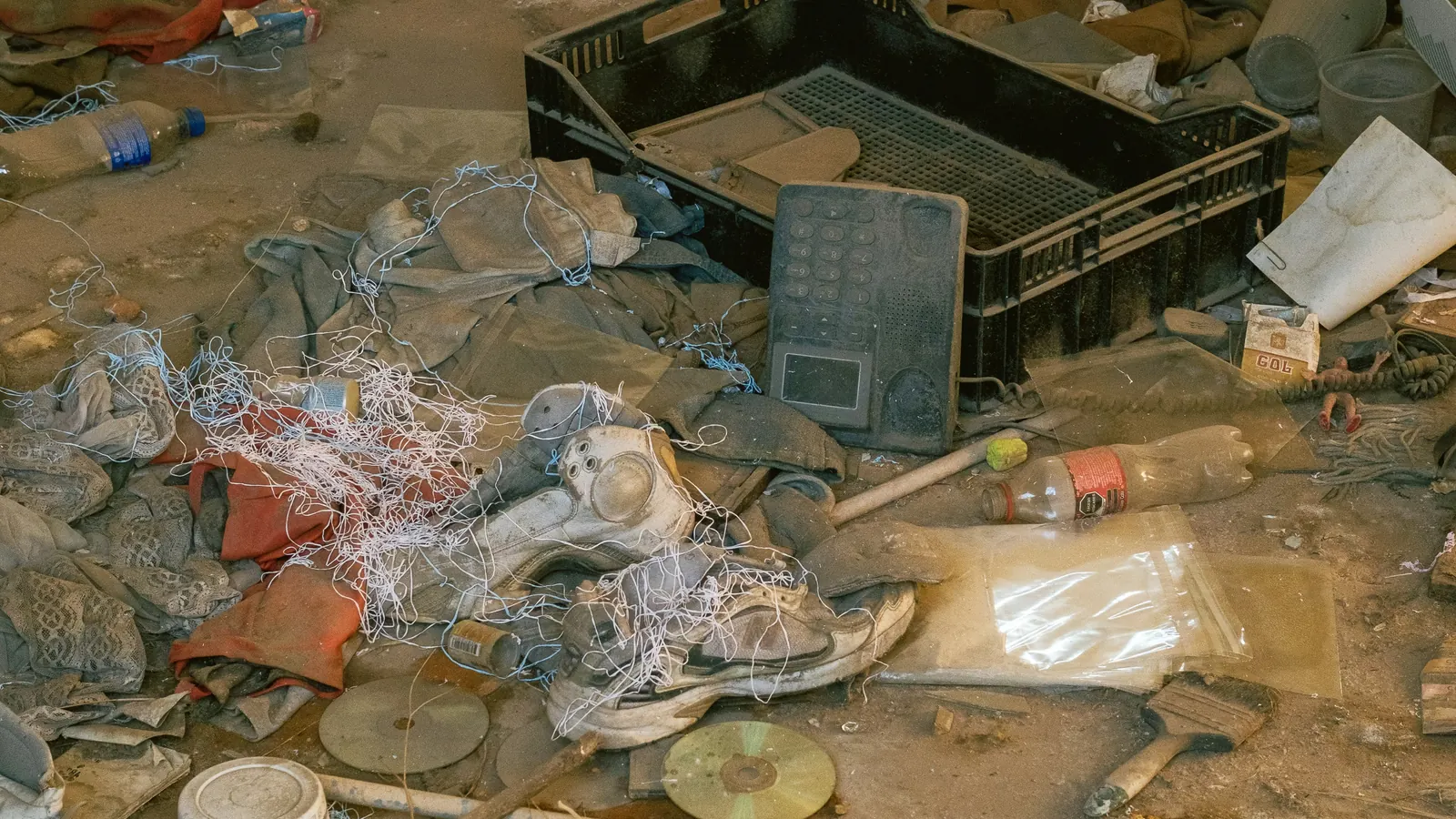
A controlled removal process for high-volume clutter where safety, privacy and the customer’s decision-making pace matter as much as truck capacity. The details below explain what affects the job, what to prepare and what to confirm before the crew starts loading.
What can be included in hoarding cleanup
Common items are listed below. Include unusual, extra-heavy or regulated material in the quote request so it can be reviewed before scheduling.
Common hoarding cleanup situations
Safety access
Open a path to exits, utilities, bathrooms or sleeping areas before a larger cleanout continues.
Family-supported cleanup
Work in planned stages with one authorized contact and clear limits on what may be removed.
Property recovery
Prepare an approved area for repairs, inspection, sale or a return to normal use.
How to plan the job without surprises
Set the decision rules
Define who can approve removal and what categories must never be touched without direct permission.
Start with a limited zone
A doorway, hallway or single room is often a better first milestone than attempting the entire property at once.
Separate hazards immediately
Needles, chemicals, animal waste, mold, spoiled food and unstable stacks need specialized review.
Document progress respectfully
Use photos only with permission and for scope or completion records. Avoid public sharing or stigmatizing language.
What changes the price and work plan
The final quote depends on the real load and the work required to move it. Confirm the complete scope and price before loading begins.
| Factor | Why it matters |
|---|---|
| Volume and density | High stacks and tightly packed rooms take more time to sort and move than the same volume staged in a garage. |
| Decision pace | The customer may need time to review belongings, which should be reflected in scheduling. |
| Health and safety conditions | Pests, mold, animal waste, needles or structural instability can move the job outside ordinary junk removal. |
| Access restoration | Creating safe paths may be prioritized before complete removal. |
| Phasing | Several shorter appointments may be safer and more manageable than one long session. |
Five ways to make the pickup smoother
- Choose one authorized decision-maker.
- Identify a small first zone and a realistic stopping point.
- Secure documents, medication, cash, jewelry and firearms.
- Disclose pests, needles, animal waste, mold or spoiled food.
- Arrange clinical, social-service or family support when appropriate.
Local details that affect this service
Hoarding-related needs occur across every kind of Tuscaloosa property, from compact apartments to older homes with garages and outbuildings. The physical environment changes the plan, but the standard should remain respectful and nonjudgmental.
A junk hauling hauling team is not a mental-health clinician, biohazard company or code-enforcement authority. When the property includes severe contamination, unsafe structures or vulnerable occupants, the right professionals should be involved.
City curb rules are not a practical plan for a high-volume interior situation. Private removal can help after hazards are identified and the customer has approved a controlled scope.
Current reference links: City garbage and trash guidance. Check current municipal rules before relying on curb collection.
Responsible handling without false promises
The customer should retain control over personal property decisions whenever legally and safely possible. Donation and recycling may be incorporated, but they should not slow urgent safety work or create false promises. Privacy is a core requirement.
Items and conditions outside a standard request
Call out unusual, hazardous or regulated material before scheduling so the crew can confirm what can be handled safely.
- Biohazard, sewage or decomposition cleanup
- Active mold remediation
- Needle or medical-waste cleanup without specialists
- Unsafe structural conditions or blocked emergency access requiring authorities
- Removal without owner or authorized decision-maker approval
Hoarding Cleanup FAQs
Is the service judgment-free?
The page is designed around respectful, non-stigmatizing planning. The hauling team should confirm its privacy and conduct standards before work begins.
Can the cleanup happen in stages?
Yes. Phased work is often safer and gives the customer more control over decisions.
What if there are pests or animal waste?
Disclose those conditions before scheduling. Severe contamination may require a specialized remediation company.
Can family members make decisions for the resident?
Only when they have appropriate authority and the arrangement respects the resident’s rights. Establish one authorized contact before the job.
Will documents and valuables be protected?
They should be removed or secured before hauling. No hauling team can guarantee recovery after an item is loaded and disposed of.
Can donation be part of the plan?
Possibly, for clean usable items accepted by a receiving organization. It should remain secondary to safety and the customer’s approved scope.