

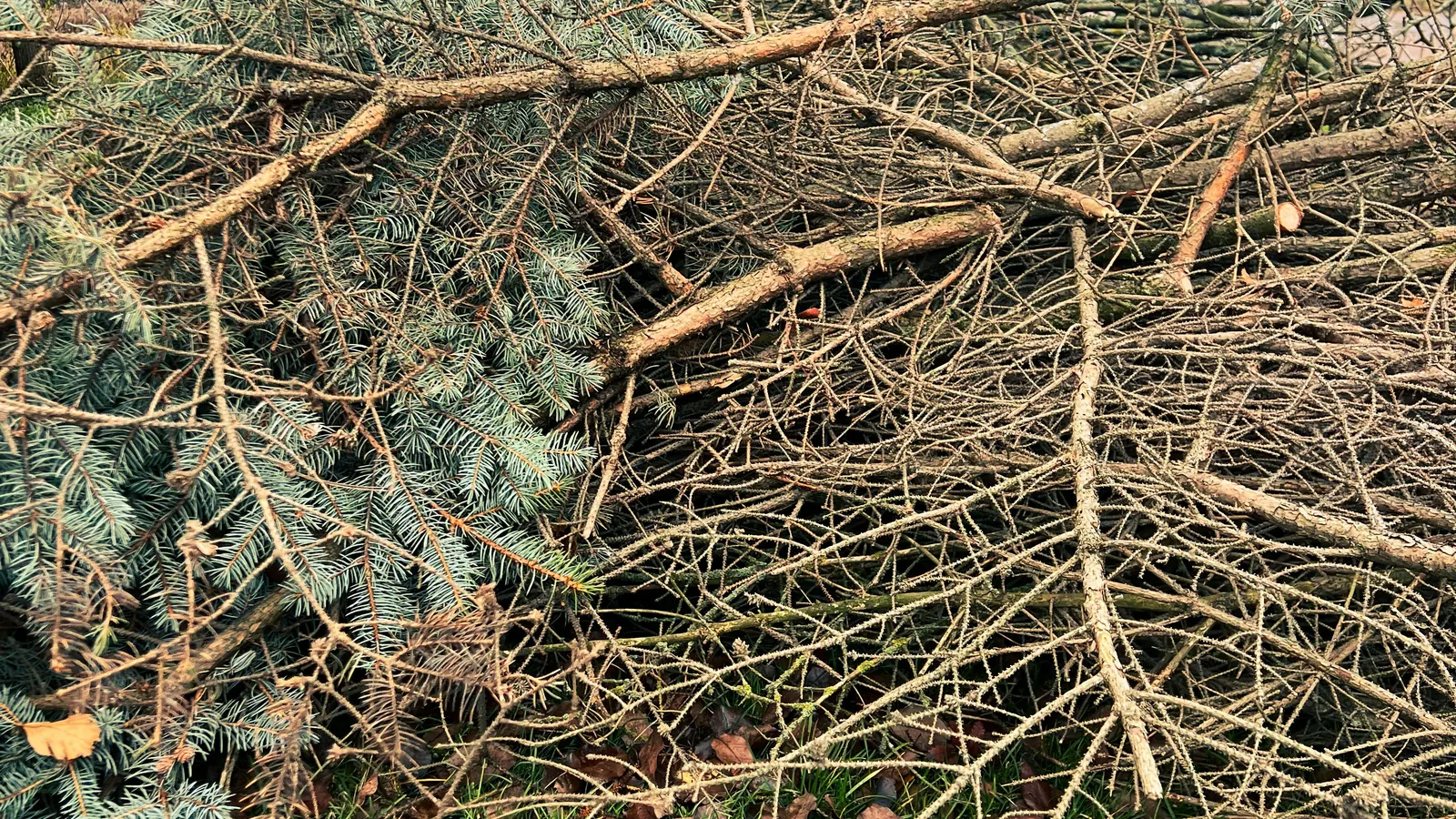
Private hauling for oversized or time-sensitive outdoor debris, especially when material exceeds municipal preparation rules, comes from paid work or needs to leave before a storm, sale or property inspection. The details below explain what affects the job, what to prepare and what to confirm before the crew starts loading.
How to plan the job without surprises
Show the scale
Photograph the entire pile with a fence, cart or person in view for scale. Close-ups alone can hide volume.
Describe the material
List branches, logs, leaves, soil, fencing and household debris separately. Dense or mixed material may need different handling.
Confirm access
State whether a truck can reach the pile, whether there is a gate, and whether material must be carried through the house or around landscaping.
Separate prohibited items
Keep chemicals, fuel, pesticides, treated railroad ties, tires and unknown containers out of ordinary yard waste.
What can be included in yard waste & debris removal
Common items are listed below. Include unusual, extra-heavy or regulated material in the quote request so it can be reviewed before scheduling.
Five ways to make the pickup smoother
- Cut or separate oversized limbs when safe and practical.
- Bag loose leaves and small clippings.
- Keep dirt, rock, concrete and sod in separate piles.
- Remove fuel cans, chemicals, pesticides and propane.
- Photograph gates, slopes and the closest parking location.
What changes the price and work plan
The final quote depends on the real load and the work required to move it. Confirm the complete scope and price before loading begins.
| Factor | Why it matters |
|---|---|
| Branch size | Long limbs and thick logs take more space and may require cutting before loading. |
| Moisture and density | Wet leaves, soil, sod and green wood are much heavier than dry brush. |
| Distance to truck | Backyard piles behind fences or on steep lots require more labor than driveway staging. |
| Mixed material | Branches combined with fencing, household trash or construction debris may require sorting. |
| Source of debris | City rules place responsibility for paid-contractor debris on the contractor, making private hauling particularly relevant. |
Common yard waste & debris removal situations
After pruning or landscaping
Remove branches and bagged material generated by paid or do-it-yourself work when curb rules do not fit the pile.
Before listing or inspection
Clear fence lines, patios, driveways and overgrown storage areas so the exterior presents cleanly.
Seasonal property reset
Combine fallen limbs, old planters, broken outdoor furniture and bagged debris in one request.
Local details that affect this service
Tuscaloosa City guidance requires limbs to be under eight feet long and eight inches in diameter for municipal collection. It also says waste generated by a compensated tree trimmer, landscaper or contractor is not collected. Those rules create a clear need for private removal when a paid project produces the debris.
Forest Lake, Woodland Hills, Lakeview, Alberta City and Northport properties often have mature trees and fenced backyards. Access through a narrow gate or across a lawn should be disclosed before scheduling.
This service is not emergency tree removal. Trees on structures, live power lines, unstable trunks and active storm hazards need qualified emergency professionals before hauling begins.
Current reference links: City garbage and trash guidance. Check current municipal rules before relying on curb collection.
Responsible handling without false promises
Clean woody debris may be routed to green-waste or appropriate disposal facilities where accepted. Mixed trash, treated lumber, soil and household material can change the destination. The hauling team should identify what is included and whether cutting or machine work is outside the hauling scope.
Items and conditions outside a standard request
Call out unusual, hazardous or regulated material before scheduling so the crew can confirm what can be handled safely.
- Trees or limbs contacting power lines or structures
- Stumps requiring grinding or excavation
- Large quantities of soil, sod, rock or concrete without review
- Pesticides, fuel, chemicals and treated railroad ties
- Active tree cutting, climbing or emergency arborist work
Yard Waste & Debris Removal FAQs
How large can branches be?
Send photos and measurements. Tuscaloosa City rules use limits of less than eight feet long and eight inches in diameter for municipal pickup, but private hauling teams set their own safe hauling limits.
Will you cut down trees or remove dangerous limbs?
Standard yard-debris hauling does not replace an arborist or emergency tree service. Have dangerous material made safe before requesting pickup.
Can contractor-generated branches be placed at the curb?
The City states that waste produced by a compensated contractor is not collected through normal trash service. The contractor or a private hauler is responsible.
Can leaves and grass be included?
Yes when bagged and disclosed. Wet material can be heavy, so quantity and condition matter.
Do you remove logs and stumps?
Small cut logs may be reviewed by size and weight. Stumps requiring grinding, excavation or machinery are a different service.
Can yard debris be mixed with old patio furniture?
List each material category. A mixed outdoor cleanup may be possible, but sorting can affect pricing and disposal.